- August 31, 2026
10 Water-Saving Tips Without Compromising Water Quality
Water is one of the most valuable resources in every home, yet many households waste hundreds of litres through everyday habits without even realizing it. Saving water doesn’t mean sacrificing cleanliness, hygiene, or the quality of water your family uses every day.
With a few smart changes in your daily routine and proper home water management, you can reduce unnecessary water usage while maintaining good water quality for drinking, cooking, bathing, and household activities.
In this guide, we’ll explore 10 Water-Saving Tips that every homeowner can follow to create a more efficient and sustainable home without compromising water quality.
Why Water Conservation and Water Quality Go Together
Many people focus only on reducing water consumption, but conserving water should also include using water efficiently and maintaining its quality.
Clean plumbing, well-maintained appliances, and the right water treatment solutions can help ensure that water remains suitable for different household purposes while reducing unnecessary wastage caused by leaks, inefficient fixtures, or repeated cleaning.
A smart home doesn’t simply use less water—it uses water better.
1. Fix Leaking Taps and Pipes Immediately
A small dripping tap may seem harmless, but continuous leaks can waste a surprising amount of water over time.
Regularly inspect:
- Kitchen taps
- Bathroom faucets
- Shower connections
- Under-sink plumbing
- Outdoor water outlets
Fixing leaks early is one of the simplest and most effective ways to reduce unnecessary water loss.
2. Turn Off the Tap While Brushing or Shaving
Leaving the tap running during brushing or shaving wastes water without providing any benefit.
Instead, turn off the tap until you actually need to rinse. This simple daily habit can make a meaningful difference in your household’s overall water consumption.
3. Choose Efficient Shower Habits
Long showers naturally consume more water than necessary.
Try reducing your shower time by a few minutes while still maintaining proper hygiene. You can also install efficient shower fittings designed to provide comfortable water flow while using water more responsibly.
4. Run Washing Machines Only with Full Loads
Washing machines use significant amounts of water during every cycle.
Whenever possible, wait until you have a full load instead of washing only a few clothes. This helps maximize the efficiency of every wash cycle and reduces the total amount of water used each week.
5. Reuse Water Where Appropriate
Some household water can be reused for suitable non-drinking purposes.
For example, water used to wash fruits and vegetables may be collected and used for watering plants. Similarly, leftover clean water from household activities can sometimes be reused for outdoor cleaning where appropriate.
Always ensure reused water is suitable for its intended purpose.
6. Install Water-Efficient Fixtures
Modern faucets and plumbing fixtures are designed to improve water efficiency without reducing everyday comfort.
Water-efficient taps, aerators, and shower fittings can help regulate water flow while still providing an effective washing and cleaning experience.
Choosing efficient fixtures is a long-term investment in responsible water use.
7. Maintain Your Plumbing System Regularly
Hidden plumbing problems often lead to unnecessary water wastage.
Make it a habit to periodically inspect your plumbing system for:
- Slow leaks
- Reduced water pressure
- Damaged pipe joints
- Faulty valves
- Dripping fittings
Preventive maintenance helps improve water efficiency while protecting your home’s plumbing infrastructure.
8. Avoid Unnecessary Water During Cleaning
Many household cleaning tasks use more water than required.
Instead of continuously running water while washing floors, balconies, or vehicles, use buckets or controlled water flow whenever practical. This allows better control over water usage without affecting cleaning quality.
Small improvements in cleaning habits can lead to significant savings over time.
9. Keep Water Storage Systems Clean
Overhead tanks and household water storage systems should be cleaned and maintained regularly.
A clean storage system helps support better water quality by reducing the accumulation of dirt and sediment that may affect household water usage.
Regular maintenance also helps improve the overall efficiency of your home’s water supply.
10. Use the Right Water Solution for Your Home
Different water problems require different solutions.
A water purifier is designed to improve drinking water quality by reducing unwanted impurities, while a water conditioning system helps manage hard water and reduce scale formation throughout the home’s plumbing network.
Using the appropriate solution for your home’s needs can help protect appliances, maintain plumbing efficiency, and support better overall water management.
How Hard Water Can Increase Water Wastage
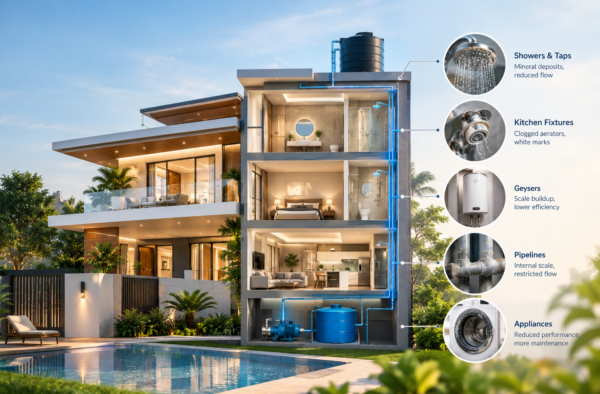
Hard water doesn’t directly cause water waste, but the scale it forms inside plumbing and appliances can reduce their efficiency over time.
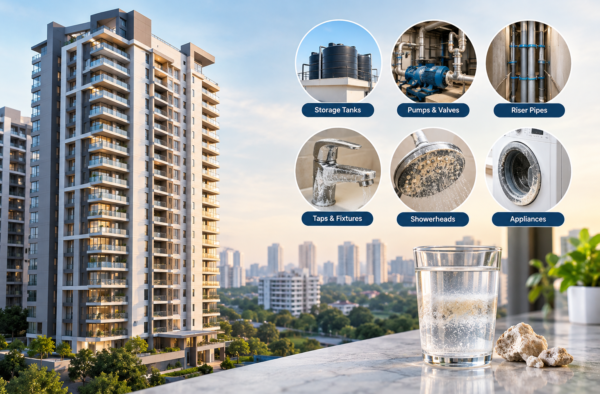
Limescale buildup may affect water flow, reduce appliance performance, and increase maintenance requirements. By managing hard water effectively, homeowners can help maintain efficient plumbing and water-using appliances throughout the house.
This makes water quality an important part of responsible water conservation.
How MR WATER Supports Better Home Water Management
MR WATER provides advanced solutions designed to improve everyday home water care.
MR WATER Smart Water Purifier helps provide purified drinking water for everyday consumption, while MR WATER Anti-Scale X is designed to help reduce scale formation associated with hard water using electrolysis-based technology without adding chemicals or salts.
Together, these solutions support a smarter approach to home water management by addressing both drinking water quality and whole-home hard water concerns.
Conclusion
Saving water doesn’t require major lifestyle changes. Simple habits like fixing leaks, using appliances efficiently, maintaining plumbing, and avoiding unnecessary water usage can make a meaningful difference in every household.
These 10 Water-Saving Tips show that responsible water conservation and good water quality can go hand in hand. By managing your home’s water wisely and maintaining the right water systems, you can create a cleaner, more efficient, and sustainable living environment for years to come.
Frequently Asked Questions
What are the best water-saving tips for home?
Fixing leaks, turning off taps when not in use, taking shorter showers, running full washing machine loads, and maintaining plumbing are some of the most effective water-saving habits.
Can I save water without affecting water quality?
Yes. Efficient water usage focuses on reducing unnecessary wastage while maintaining proper hygiene, clean plumbing, and suitable water treatment for different household needs.
Does hard water affect water efficiency?
Hard water can contribute to scale buildup inside plumbing and appliances, which may reduce their efficiency and increase maintenance requirements over time.
Why is plumbing maintenance important for saving water?
Regular plumbing maintenance helps identify leaks, damaged fittings, and inefficient water flow before they lead to unnecessary water loss.
Do I need both a water purifier and a water conditioner?
They serve different purposes. A water purifier focuses on drinking water quality, while a water conditioner helps manage hard water and reduce scale formation throughout the home’s plumbing system.